No two births are the same, but knowing what to expect can make all the difference. Here are the answers to 20 of the most common labor questions.



As your due date gets closer, it’s completely normal to have questions about labor and birth. You might be wondering what contractions really feel like, when it’s time to go to the hospital, whether you’ll know you’re in labor, or even if it’s true that everyone poops during birth.
The truth is, every labor is different. There’s no “right” way for labor to begin or unfold, and no two birth stories are exactly alike. But understanding what usually happens can help you feel more prepared, more confident, and a little less anxious about what’s ahead.
Here are some of the questions expecting parents ask most often, along with the answers to help you prepare.
1. How do I know if I’m really in labor?
For some people, labor can arrive like fireworks, while for many people, it begins gradually. Early labor, where your cervix starts to soften, can last for hours or even days when it’s your first baby. This might sound daunting, but this isn’t the active pushing stage; it’s just your body preparing for what’s to come.
Some of the first signs of developing labor include:
- Regular, painful contractions that become stronger, longer, and closer together
- Lower back pain or cramping that doesn’t go away
- Loss of your mucus plug
- Water breaking (although this doesn’t happen first for everyone)
If you’re unsure whether labor has started, call your doctor or the pregnancy unit. They’re there to help you figure out what’s happening.
2. What do contractions actually feel like?
There’s no single answer because everyone experiences contractions differently. Some people describe them as intense period cramps, while others say they feel like waves of pressure that build, peak, and ease off. You may feel them in your lower abdomen, back, or both.
As labor progresses, contractions usually become stronger, longer, and closer together. Between contractions, many people find they can rest, catch their breath, and regain some energy.
3. When should I go to the hospital or birth center?
Your doctor should tell you when they’d like you to call or come in, as this can vary depending on your pregnancy.
In many pregnancies, you’ll be advised to contact your doctor when contractions are around five minutes apart, last about one minute each, and have continued for about an hour. This can be slightly different depending on where you live, but your doctor will be able to give you the best advice.
You should also contact your care team if:
- Your waters break
- You notice heavy bleeding
- You’re worried about your baby’s movements
- You feel something isn’t right
Trust your instincts. If you’re unsure, it’s always OK to call for advice.
4. Does your water always break before labor starts?
No. Despite what films and TV shows suggest, this isn’t how labor begins for most people.
Your “water” is the amniotic sac and fluid surrounding your baby during pregnancy. When the sac breaks, you might notice a sudden gush of fluid or a slow, steady trickle that you can’t control. It can sometimes be difficult to tell the difference between amniotic fluid and urine, so if you think your water has broken, let your pregnancy team know so they can advise you on what to do next.
Many people start having contractions before their water breaks. For others, their water breaks before labor begins, and some people’s water is broken by their care team during labor if it’s medically appropriate.
5. Does losing your mucus plug mean labor has started?
Not necessarily. The mucus plug helps protect your baby during pregnancy by sealing the cervix. As your cervix starts preparing for birth, it may come away all at once or gradually over several days.
Some people go into labor within hours of losing it, while others don’t give birth for days or even weeks. It’s simply one sign that your body is getting ready.
6. How painful is labor?
Labor can be intense, but everyone’s experience is different. Many factors can affect how labor feels, including your baby’s position, how quickly labor progresses, and whether you’ve given birth before.
The good news is that you don’t have to simply “put up with it.” There are lots of ways to manage labor pain, from breathing techniques and movement to medications such as an epidural. Your care team will help you choose the options that feel right for you.
Remember, there’s no prize for having the least or the most pain relief. Every birth is different, and whatever helps you feel supported is the right choice for you.
7. What pain relief options are available during labor?
There are lots of ways to manage labor pain, and what works best varies from person to person.
Nonmedical options include:
- Breathing and relaxation techniques
- Massage
- Changing positions
- Warm water, such as a shower or birthing pool
- Birth balls
- Hypnobirthing techniques
Medical options may include:
- Nitrous oxide (sometimes called laughing gas)
- Opioid pain medication
- An epidural
You don’t have to decide before labor starts. It’s perfectly OK to change your mind as labor progresses.

8. Can I eat and drink during labor?
This depends on where you’re giving birth and whether there are any medical reasons why you shouldn’t.
If your pregnancy is considered low risk, you may be able to drink water and have light snacks safely during early labor, which can help keep your energy up. If your labor changes or you need certain procedures, your care team may recommend something different.
Ask your doctor what they advise for your individual situation.
9. What’s the best position to be in during labor?
There’s no single “best” position; it’s whatever feels most comfortable and helps you cope with contractions.
Many people find it helpful to:
- Walk around
- Stand and lean on their birthing partner or a surface
- Kneel or get onto all fours
- Sit on a birthing ball
- Squat
- Lie on their side to rest
Changing positions regularly may help you feel more comfortable and can encourage your baby to move down through the birth canal.
10. Will I be able to move around during labor?
In many cases, yes. If you haven’t had an epidural or continuous monitoring, you may be encouraged to stay mobile because movement can help you feel more comfortable.
If you’ve had an epidural or need extra monitoring, your movement may be more limited. Even then, your care team can often help you find comfortable positions in bed.
11. Will I poop during labor?
This is probably one of the most common questions people ask, and yes, it can happen.
As you push, you’re using many of the same muscles that you use to have a bowel movement. Your baby’s head also puts pressure on your rectum, so passing a small amount of poop during birth is completely normal.
Your medical team sees this all the time. If it happens, they’ll clean it away quickly and discreetly, and many people don’t even realize it’s happened.
12. Is it normal to make lots of noise during labor?
Absolutely. Some people breathe quietly through contractions, while others moan, groan, hum, cry, or vocalize loudly. There isn’t a “correct” way to sound during labor.
Your care team may encourage breathing techniques that help you stay relaxed and conserve your energy, but however you cope with contractions is OK.
13. How long does labor usually last?
Labor can be surprisingly unpredictable. For first-time parents, labor often lasts longer than it does for people who’ve given birth before. Early labor alone may last several hours or sometimes longer. If you are getting induced, then it may take even longer.
The important thing to remember is that labor isn’t a race. Your care team will monitor both you and your baby throughout to make sure everything is progressing safely.
14. Will I tear during birth?
Some people experience a tear during a vaginal birth, while others don’t.
Small tears can happen and often heal well. Sometimes your care team may recommend an episiotomy (a small cut to widen the vaginal opening), but this isn’t done routinely and is usually only recommended if it’s medically necessary.
Some things may reduce the chance of severe tearing, such as warm compresses, a perineal massage, and giving your tissues time to stretch as your baby’s head is born. Your care team will guide you through this stage and support you throughout.
15. Can I choose who is with me during labor?
In most cases, yes. Many people choose to have their partner with them, while others prefer a family member, friend, or doula. Some people feel happiest with just one support person, while others would rather have no one except their medical team.
The most important thing is choosing someone who helps you feel calm, safe, and supported. Check your hospital or birth center’s policies ahead of time, as visitor rules can vary.
16. What happens straight after my baby is born?
If you and your baby are both well, you’ll usually be able to enjoy some time together right after you’ve given birth.
Many hospitals encourage immediate skin-to-skin contact, which can help your baby stay warm, regulate their breathing, and encourage bonding and breastfeeding.
Your baby will be checked by your medical team, and you’ll also deliver the placenta shortly after birth. While it sounds like another stage of labor, this is usually much quicker and less intense than delivering your baby.
17. Can babies poop before they’re born?
Yes, sometimes. Your baby’s first poop, called meconium, is usually passed after birth. Occasionally, babies pass it before or during labor. If this happens, your care team will know exactly what to do. It’s something they monitor for routinely, and most babies are born healthy.
18. Can labor start while I’m asleep?
Yes! You might wake up in the night with contractions or because your water has broken. If this happens, try timing your contractions before deciding whether it’s time to call your doctor.
19. Can I be in labor without realizing it?
Early labor can sometimes be so mild that people mistake contractions for backache, period pain, or digestive discomfort.
This is especially common in the early stages, when contractions may be irregular and fairly gentle. As labor progresses, contractions usually become stronger and more regular, making it much clearer that labor is underway.
20. What if my labor doesn’t go according to plan?
This is one of the biggest worries many expecting parents have.
While it’s helpful to prepare and think about your birth preferences, labor doesn’t always unfold exactly as expected. You might decide you want different pain relief, your labor may progress faster or slower than anticipated, or your medical team may recommend interventions to keep you and your baby safe.
That doesn’t mean you’ve failed or that your birth has gone “wrong.” Think of your birth plan as a guide rather than a checklist. Your care team will explain what’s happening, answer your questions, and work with you to make the safest decisions for both you and your baby.
No matter how your baby arrives, giving birth is an incredible achievement. The most important thing is that you and your baby receive the care and support you need every step of the way.
Take a quiz
Find out what you can do with our Health Assistant








References
- https://www.nhs.uk/pregnancy/labour-and-birth/signs-that-labour-has-begun/
- https://my.clevelandclinic.org/health/symptoms/contractions
- https://my.clevelandclinic.org/health/symptoms/21606-mucus-plug
- https://www.nhs.uk/pregnancy/labour-and-birth/pain-relief-in-labour/
- https://my.clevelandclinic.org/health/body/22640-stages-of-labor
- https://www.nhs.uk/pregnancy/labour-and-birth/episiotomy-and-perineal-tears/
- https://www.aafp.org/afp/2021/0615/p74
History of updates
Current version (17 September 2026)
Reviewed by EBCOG, the European Board & College of Obstetrics and Gynaecology
Published (29 November 2018)
In this article
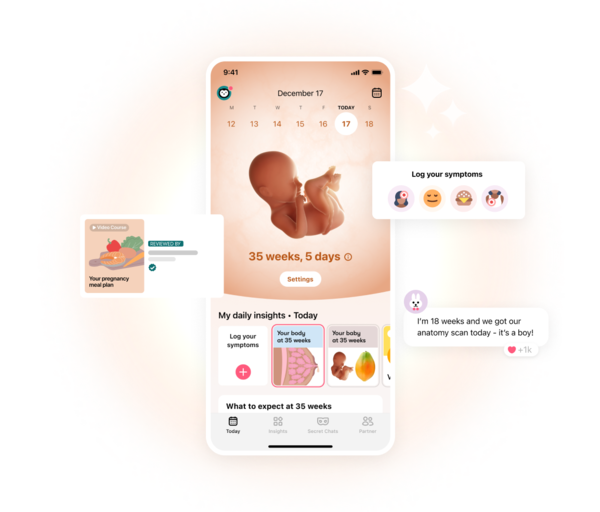
Get your personal guide to pregnancy with the Flo app
-
 Follow your baby's growth week by week
-
 Get expert info on symptoms, safe foods, and more
-
 Chat with other parents-to-be
Download Flo today